Our Projects
From the initial idea to the project
We’ll guide you every step of the way, from the initial idea to the actual project. Through our seed funding program, we can conduct preliminary research that may be of great importance to the actual project.
How projects are developed at AMAP
Initiation
Advisory Board Review
or
↓
↓
→ Project results & Member survey
↺ Continuous Feedback-Loop
Initial investigations, research, and feasibility studies
Seed Fund Studies
Our Seed Fund Studies: Initial ideas are transformed into solid project concepts.
New research questions often arise in areas where not all the answers are yet known. This is exactly where the AMAP Seed Funding Pool comes in: It creates the space to initially explore new ideas in a focused preliminary study, bring experts together, and lay the groundwork for an informed decision on the project’s further development.
Bringing the right skills together from the start
New challenges can often only be addressed through an interdisciplinary approach. Seed Fund projects make it possible to bring together specific internal and external expertise—from AMAP companies, RWTH institutes, and, if necessary, other experts. This generates new perspectives and robust solutions even in the early stages.
Check feasibility before the major project begins
The preliminary study provides clarity on key technical and scientific issues. It examines which approaches show promise, where the challenges lie, and what the next logical steps should be. This creates a solid foundation for deciding whether and how a project idea should be pursued.
Quickly and with manageable risk
The Seed Funding Pool makes it possible to initially explore promising ideas with limited effort. Instead of committing extensive resources early on, research questions can be narrowed down in a targeted manner, initial results can be obtained, and the need for further research can be defined more precisely.
The bridge to the AMAP-Project
A Seed Fund Study can serve as the starting point for a subsequent AMAP consortium project or a publicly funded collaborative project. The preliminary study not only provides initial technical insights but also helps define the appropriate partners, research questions, and work packages.
AMAP projects bring together the right partners along the value chain. The Seed Funding Pool gets involved even earlier: It creates the space to first evaluate new ideas, bring experts together, and develop robust project approaches based on them.
Examples
Previous Seed Fund Studies
- S01 - Aluminium Alloys for Additive Manufacturing Processing Gießerei-Institut RWTH Aachen University
- S02 - Iron Removal from Molten Aluminium Alloys MIMI Tech GmbH
- S03 - Reduction of Aluminium Loss in Dross from Aluminium Melts MIMI Tech GmbH
AMAP-Projects
Our Projects
Research that brings everyone together: from raw materials to components, from metallurgy to crash simulation.
The major challenges surrounding aluminium can rarely be solved at a single point in the process chain. That is why AMAP projects bring together exactly the right partners who can truly solve a problem together: from smelting and recycling through casting, rolling, and heat treatment all the way to the finished component
The entire value chain within a Consortium
Our Consortia are organized vertically. Producers, processors, simulation specialists, and users collaborate throughout the process chain. Where appropriate, they also collaborate horizontally: Several companies at the same level join forces to address precompetitive fundamental issues that no single company could address economically on its own.
Direct access to experts at RWTH Aachen University
Institutes specializing in metallurgy and recycling, foundry engineering, metal forming, materials science, industrial furnace engineering, and automotive engineering are part of the cluster. Our partners work directly with researchers—without lengthy preliminary discussions—and make use of their experimental and simulation infrastructure.
Developed through an interdisciplinary approach
Our projects emerge where disciplines intersect: in our colloquia, in the AMAP Forum, and in our joint technology roadmap. For example, one project combines materials modeling, process simulation, and component design, rather than treating them as separate entities.
From idea to project, with manageable risk
An idea for a collaboration first becomes a preliminary study funded by the AMAP Seed Funding Pool. This study assesses its feasibility. Only then does a consortium project follow, and, if necessary, a publicly funded collaborative project.
Do you have a research question related to aluminium?
Please contact us. We'll find the right partners for you.
Best Practices
Completed projects
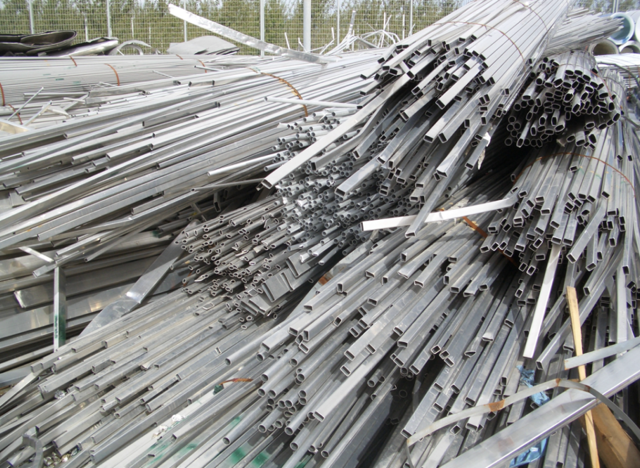
AMAP-P05
Sustainable Recycling Concept: Efficient Melting - Kreislaufwirtschaft und Energieeffizienz
With the developed understanding of the process and the concept of a virtual furnace, recycling processes can be optimized more effectively, energy losses can be reduced, and the resource efficiency of aluminum production can be increased.
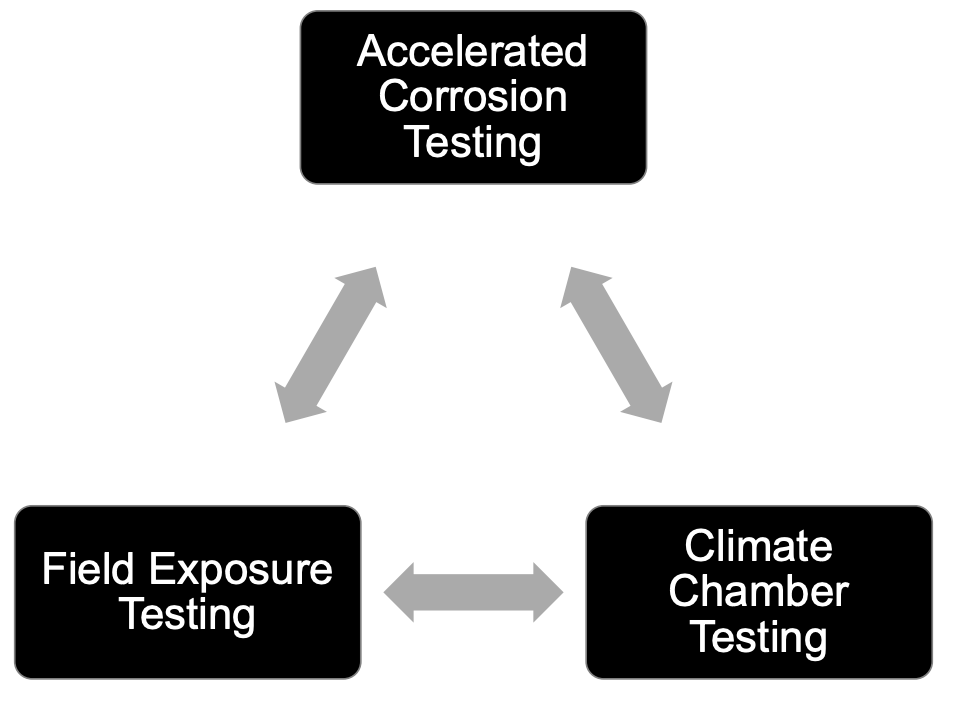
AMAP-P08
“INTERaCT” - Investigation of the Susceptibility of 6000 Series Aluminum Alloys to Intergranular Corrosion
The results lay the foundation for more robust and realistic testing methods and, consequently, for a more reliable assessment of the long-term durability of aluminium components.
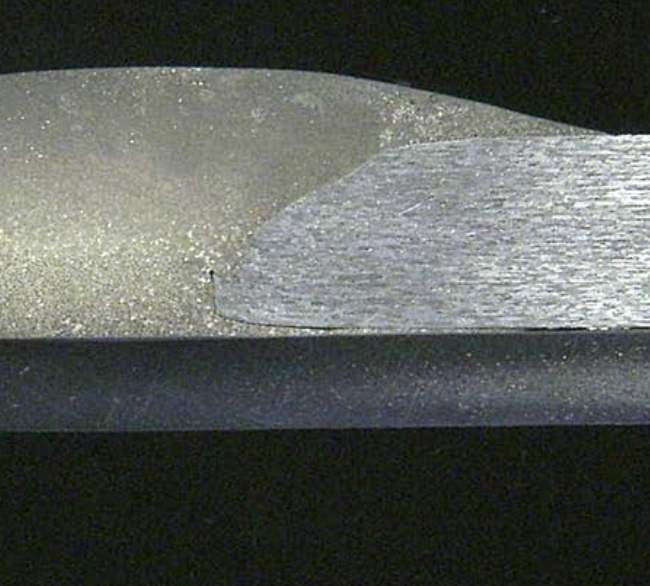
AMAP-P10
Design and process development of hollow structural HPDC Components incl. joining investigations
The advantage lies in the combination of lower component weight and high mechanical performance, which opens up new possibilities for lightweight construction in future vehicles.